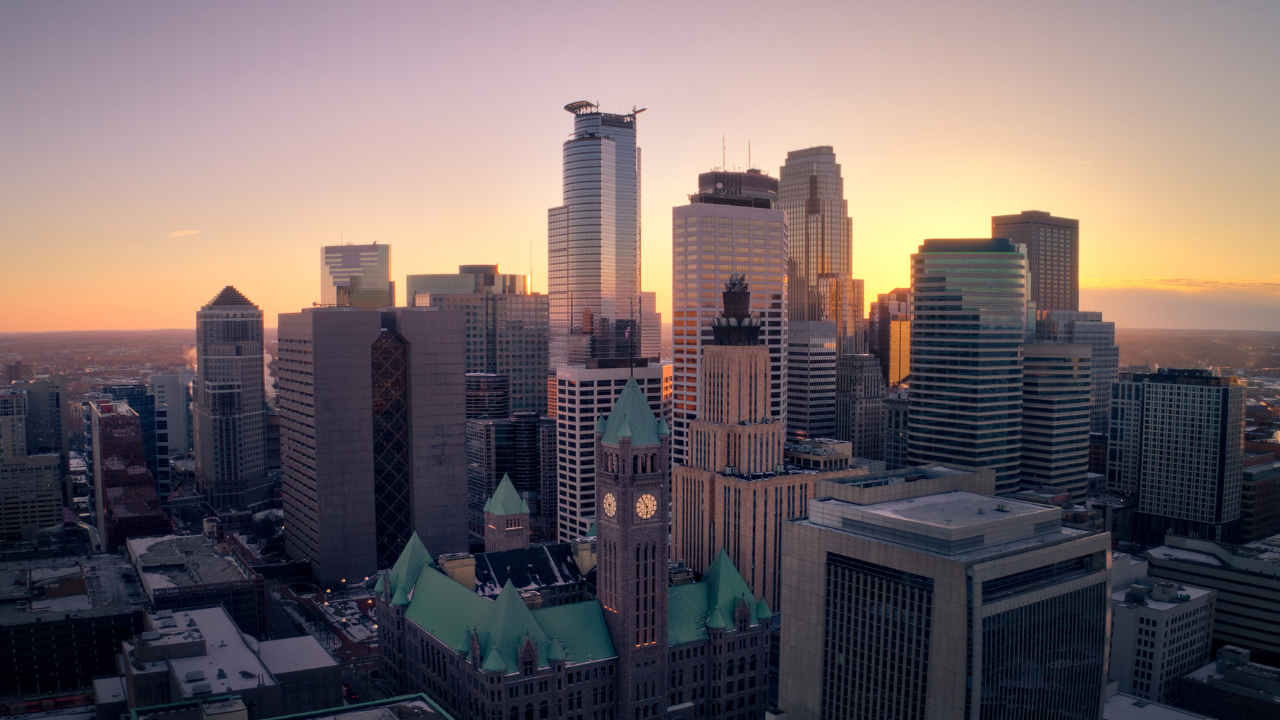
The phrase things to do in the Twin Cities covers a wide range of options—from indoor attractions and food to lakes, trails, breweries, and Minnesota’s legendary state fair. This guide organizes the best choices for a short trip, a scouting visit, or a weekend itinerary so you can see highlights efficiently and decide which neighborhoods or suburbs fit your lifestyle.
Table of Contents
Mall of America: Why it’s a must-see
The Mall of America is often the first stop on lists of things to do in the Twin Cities. Beyond shopping, it combines retail, dining, an indoor amusement park, and an aquarium into one climate-controlled campus—useful if your visit coincides with cold weather or a rain day. It’s close to the airport, making it convenient for arrivals or departures.
Tips for visiting the Mall of America:
- Plan by interest:
Focus on either attractions (Nickelodeon Universe), the aquarium, dining, or a specific shopping target—two or three of those will fill a day.
- Buy attraction tickets online:
Save time by reserving roller coaster or aquarium time slots in advance.
- Parking and airport transfers:
There is short-term and long-term parking, and the location near the airport makes it easy to combine with travel.
Parks, lakes, and bike trails: Outdoor life in the Twin Cities
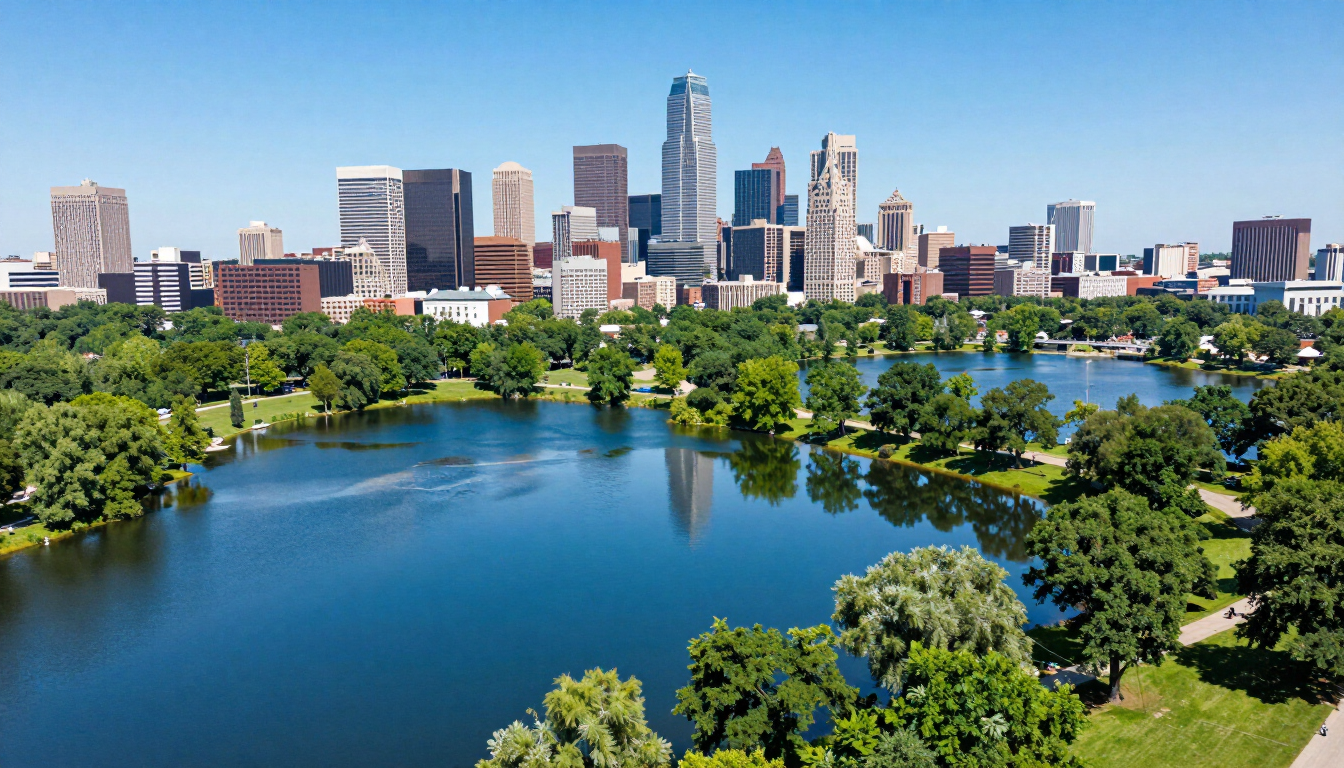
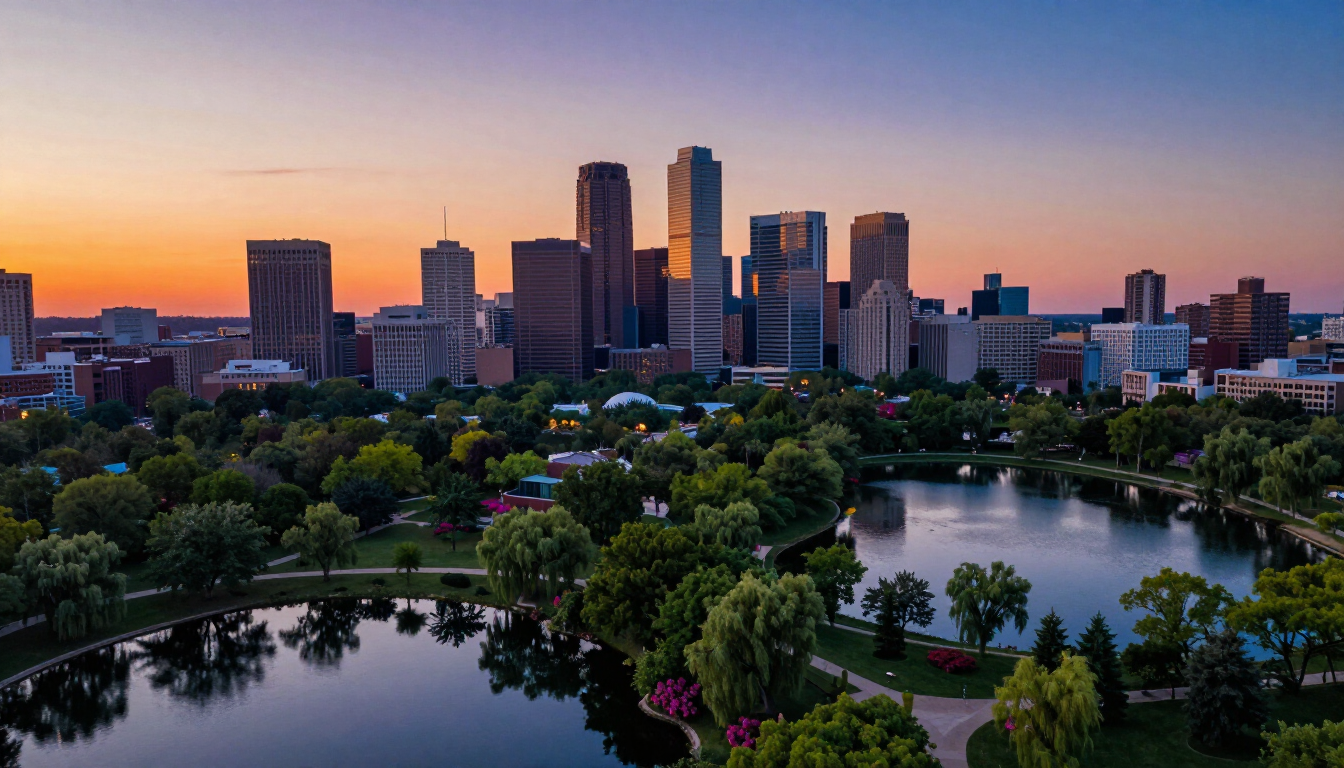
The Twin Cities region is famous for its green spaces. If your priority list for things to do in the Twin Cities includes outdoor recreation, you’ll find an extensive network of parks, lakes, and paved trails that suit casual walkers, family outings, serious cyclists, and mountain bikers.
Highlights and why they matter:
- Three Rivers Park District:
Manages thousands of acres with regional trails, picnic areas, and golf courses—great for families and day trips.
- Chain of Lakes and Mississippi River trails:
Scenic urban riding that connects neighborhoods with minimal car exposure.
- Paved and unpaved options:
There are paved multi-use paths for commuters and urban riders and rated singletrack for more technical mountain biking.
Practical tips for trail use:
- Rent a bike or bring your own:
Bike shops across the cities offer rentals, guided rides, and maps. If you plan to ride between suburbs and downtown, choose a comfortable hybrid or gravel bike.
- Trail etiquette:
Keep right, pass on the left, warn before passing, and yield to walkers and horses where indicated.
- Weather planning:
Spring and fall can be cool; dress in layers and bring lights if you’ll be out near dawn or dusk.
Brewery hopping: The craft beer and taproom culture
One of the most social entries on lists of things to do in the Twin Cities is brewery hopping. The metro has hundreds of craft beer makers and a lively taproom scene. Taprooms emphasize atmosphere—outdoor patios, games, food trucks, family-friendly spaces, and dog-friendly courtyards.
How to make the most of a brewery day:
- Pick a neighborhood:
Northeast Minneapolis, South Minneapolis, and some suburbs cluster several breweries within walking or short driving distance.
- Design a loop:
Choose two or three stops with varied styles (a large production brewery, a small taproom, and a brewpub with food).
- Consider alternatives:
Many taprooms offer non-alcoholic beers, kombucha, seltzers, and family-friendly activities if someone in your group doesn’t drink.
- Transportation:
Use rideshares or a designated driver if you plan to sample multiple locations.
Food and dining: Diverse choices that surprise visitors
Food is an underrated reason people list things to do in the Twin Cities. Rather than a single signature dish, the region offers a creative, multicultural dining scene with fusion concepts, ethnic eateries, and inventive casual restaurants.
What to try and where to look:
- Local specialties:
Regional favorites like the stuffed burger are fun to try, but the real strength is variety—Mexican, Indian, Hmong, Scandinavian, East African, and creative fusion concepts.
- Neighborhoods with great dining:
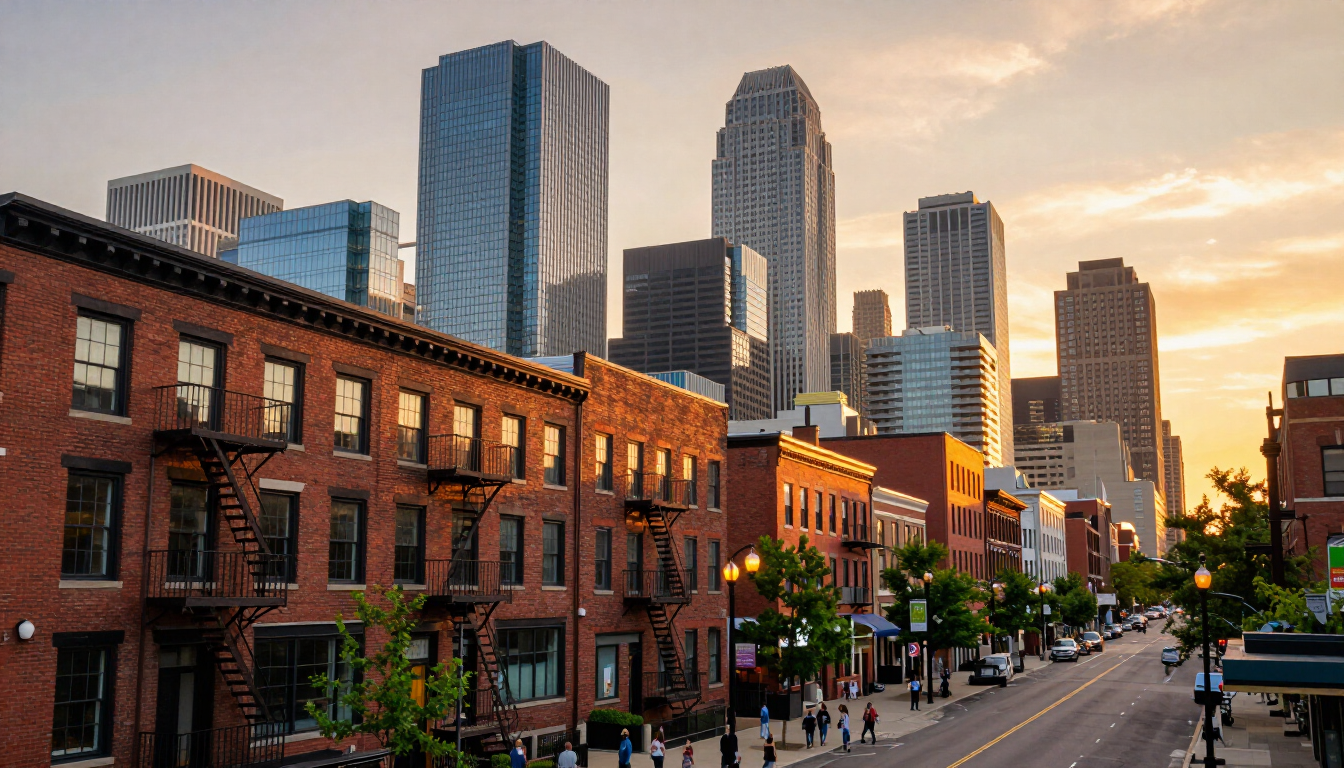
North Loop, Northeast, Uptown, and Dinkytown each host diverse restaurant scenes within compact areas.
- Casual to high end:
Find food trucks and diners for quick bites and chef-driven tasting menus for special nights out.
Dining logistics:
- Reservations:
For popular restaurants, reserve ahead—especially on weekends.
- Timing:
Brunch and late-night scenes vary by neighborhood; check local hours.
- Dietary needs:
Most restaurants accommodate vegetarian, vegan, and gluten-free requests; menus often list options.
Minnesota State Fair: The annual must-do
The Minnesota State Fair is a seasonal event that frequently tops lists of things to do in the Twin Cities. It runs for roughly two weeks each summer and combines concerts, livestock shows, competitions, rides, exhibitions, and hundreds of food vendors with creative fair-only treats.
Visitor strategies for the state fair:
- Plan for a full day:
The fairground spans hundreds of acres—wear comfortable shoes and identify priority exhibits or foods before you go.
- Transport:
Park-and-ride shuttle services reduce parking stress. Public transit options also serve the fairgrounds.
- Timing:
Weekdays early in the day are less crowded; weekends offer the full festival atmosphere.
Getting around and transportation tips
Transportation affects which things to do in the Twin Cities you can easily accomplish. Options include drive, rideshare, light rail, commuter rail, buses, and extensive bike networks.
- Light rail:
Connects key neighborhoods and the Mall of America to downtown Minneapolis.
- Rideshares and taxis:
Widely available and often the easiest option for short hops between breweries or dinner locations.
- Driving:
Useful for reaching suburbs and trailheads, but factor in parking and rush-hour traffic.
- Biking:
Many attractions are accessible via connected trails—ideal in spring through fall.
What to pack and seasonal advice
Seasons shape which things to do in the Twin Cities are most enjoyable:
- Spring and fall:
Variable temperatures—pack layers, a waterproof jacket, and closed-toe shoes for trails.
- Summer:
Warm days and long evenings—bring sunscreen, a hat, and light layers. Peak festival season occurs in summer.
- Winter:
Cold and snowy—pack heavy coats, gloves, insulated boots, and plan indoor-heavy itineraries (museums, malls, breweries).
Common pitfalls and how to avoid them
Visitors often make these mistakes when planning
things to do in the Twin Cities. Avoid them with these simple strategies:
- Overbooking the schedule:
Allow travel time between neighborhoods and leave room for weather delays.
- Underestimating distances:
The metro area covers many suburbs—what looks close on a map may take longer in traffic.
- Ignoring seasonality:
Some attractions, like the state fair, operate only at certain times. Check event calendars in advance.
- Not reserving popular restaurants or attractions:
Book ahead for top restaurants, aquarium slots, or special tours.
If you only have a short window, prioritize a mix of indoor and outdoor options from this list of things to do in the Twin Cities. Combine a major attraction like the Mall of America or the state fair with time on trails, a brewery evening, and a sampling of the diverse food scene. That balanced approach gives the best sense of what living in or moving to the area would feel like.
FAQ
How much time should I plan for each activity on a short trip?
For a 72-hour visit, allocate half to a full day for major attractions like the Mall of America or the Minnesota State Fair, a half day for exploring parks or bike trails, and a few hours for brewery hopping or neighborhood dining. Build in transition time between neighborhoods.
Are the Twin Cities family-friendly?
Yes. Many parks, museums, breweries with family spaces, and seasonal events cater to children. Trails, zoos, and the state fair are especially family-friendly options.
What is the best time of year to visit?
Summer offers the fullest range of outdoor activities and festivals; late spring and early fall are great for milder weather and fewer crowds. Winter showcases indoor cultural attractions and winter sports but requires heavy cold-weather gear.
Can I do most things without a car?
Yes for many central neighborhoods and attractions via light rail, buses, rideshares, and bikes. For suburban parks or certain trailheads, a car makes access easier.
Is the state fair worth visiting?
If your visit coincides with fair dates, it’s one of the most iconic regional experiences and worth allocating a full day. It offers unique food, entertainment, and exhibitions not available year-round.