5 Ways Living in Minnesota Will Surpass Your Expectations
Living in Minnesota means embracing a high quality of life defined by access to nature, a robust economy, and a surprisingly diverse four-season climate. Beyond the famous lakes, residents enjoy top-tier healthcare, a thriving arts scene, and a culture of community that makes the North Star State truly unique.
What is the Real "Minnesota Nice" Culture?
You’ve likely heard the term "Minnesota Nice" before. To many outsiders, it sounds like a straightforward description of a polite population. However, living in Minnesota teaches you that it is far more nuanced than just being friendly. It’s a culture rooted in community cooperation, conflict avoidance, and a certain level of social reserve.
While Minnesotans are incredibly helpful—they will be the first to stop and help you push your car out of a snowbank—it can sometimes take a little longer to break into deep social circles. People here often have lifelong friends from high school or college. To truly integrate, you need to be proactive. Joining local hobby groups, attending community events, or even just being a regular at the local park is key. Once you’re in, you’re family, but don’t expect the instant, loud familiarity you might find in the South or on the East Coast.
How Do the Winters Actually Compare to the Myths?
Let’s address the elephant in the room: the cold. Yes, living in Minnesota involves snow and sub-zero temperatures. However, the myth that everyone stays indoors from November to April is completely false. The secret is that Minnesotans lean into the winter rather than hiding from it.
Cities across the state are designed for the cold. For example, Minneapolis and St. Paul have extensive skyway systems—climate-controlled pedestrian bridges that connect downtown buildings so you never have to step outside during your lunch break. Additionally, the state culture revolves around winter activities like:
- Ice fishing on our 10,000+ lakes
- Cross-country skiing through urban parks
- Outdoor winter festivals like the Saint Paul Winter Carnival
- High school hockey tournaments that draw massive crowds
- Snowshoeing through quiet, forested trails
Surprising Economic Advantages of the North Star State
One thing people rarely mention when discussing living in Minnesota is the sheer economic power of the region. The Twin Cities metro area has one of the highest concentrations of Fortune 500 companies in the United States. Names like Target, UnitedHealth Group, 3M, and Best Buy are headquartered here, providing a stable job market and diverse career opportunities.
Furthermore, the state offers a unique tax benefit that many newcomers overlook: there is no sales tax on clothing or shoes. While our income tax might be higher than in some neighboring states, the lack of tax on essentials and the high median income often balance the scales. This economic stability makes buying a home here a sound long-term investment for families and professionals alike.
Is the Cost of Living in Minnesota High?
When comparing Minnesota to the coastal hubs like New York City or San Francisco, living in Minnesota is incredibly affordable. However, compared to some of our Midwestern neighbors, you might find it slightly higher. The value, however, is found in what you get for your money. Your taxes fund world-class parks, exceptionally well-maintained roads, and some of the best public schools in the nation.
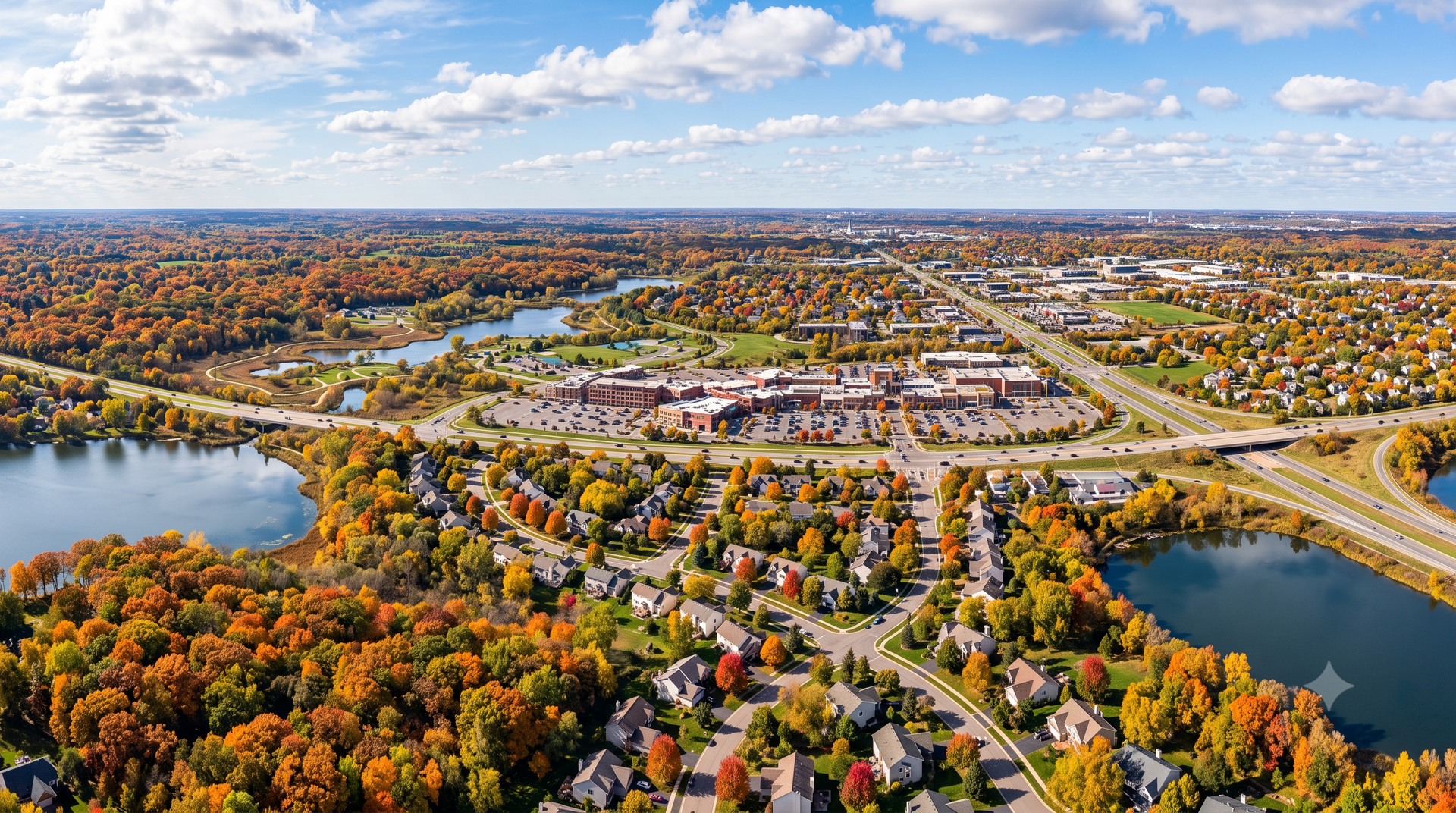
In terms of housing, the market is competitive but varied. Whether you are looking for a historic home in St. Paul or looking into new-construction in the rapidly growing suburbs, there are options for various budget levels. The key is working with a team that knows the nuances of each county’s tax rates and utility costs to ensure your monthly budget stays on track.
A Closer Look at the Education System
For families, education is often the primary driver for relocation. Minnesota consistently ranks in the top ten states for public education and ACT scores. This isn't just limited to the K-12 system; the University of Minnesota system and a vast array of private colleges provide excellent higher education opportunities.
Living in Minnesota provides access to schools that emphasize both academic excellence and holistic development. Many districts offer extensive immersion programs, robust arts funding, and competitive athletic programs. If you are planning a move, checking out our relocation resources can help you identify the specific school districts that align with your family's needs.
What Should You Know Before Moving to Minnesota?
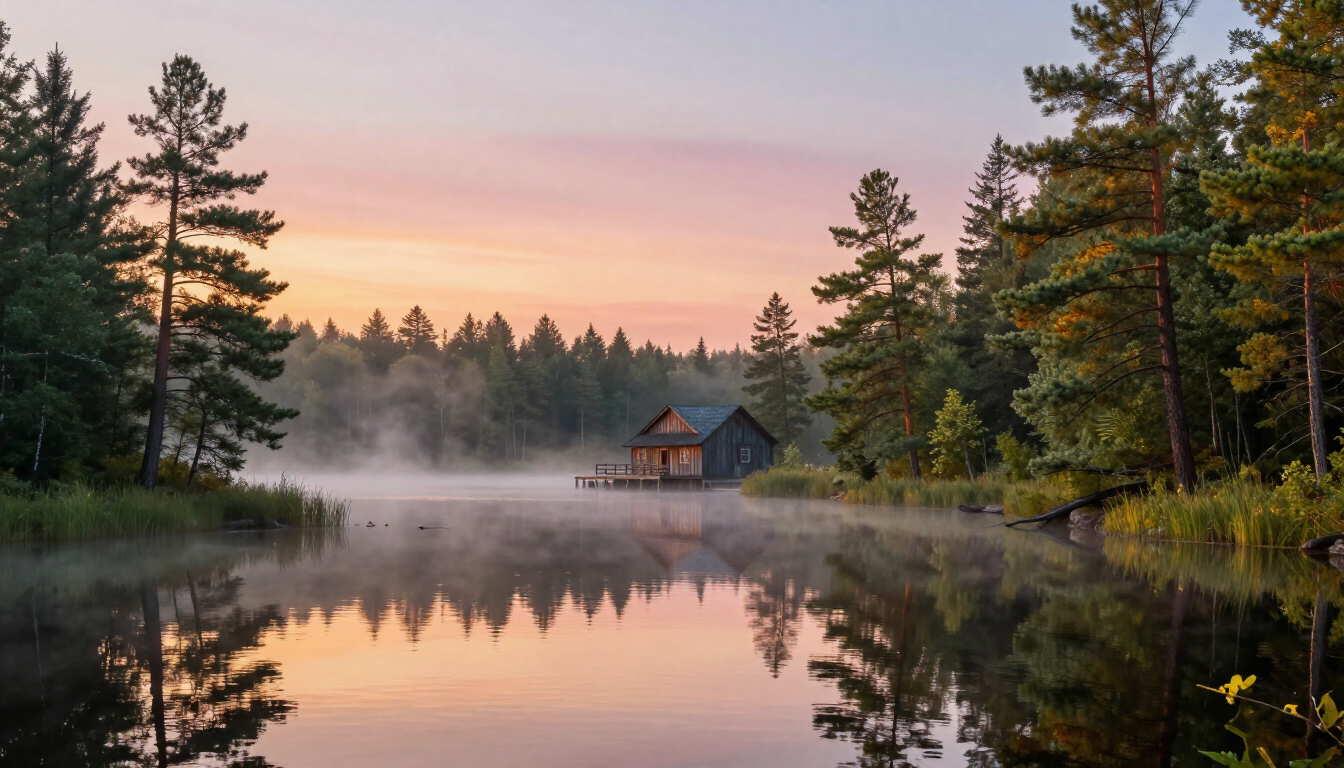
If you are planning your move, there are a few practicalities that locals take for granted but might surprise a newcomer. First, the "10,000 Lakes" thing is an understatement—there are actually 11,842. This means that almost regardless of where you live, you are never more than a few minutes away from water. This significantly impacts the local lifestyle, as summer weekends are almost universally spent at "the cabin."
Secondly, the food scene is booming. While we are famous for "tater tot hotdish" and "Juicy Lucys" (burgers with cheese inside the patty), the Twin Cities have become a James Beard Award-winning culinary destination. From authentic Hmong cuisine to modern Nordic dining, the diversity of the food scene reflects the growing diversity of the population.
The Hidden Perks of the Twin Cities Metro
While much of the state is rural and breathtakingly beautiful, the Twin Cities metro offers a level of convenience and culture that rivals much larger metropolitan areas. You have access to professional sports for every major league (Vikings, Twins, Wild, Timberwolves, and MNUFC), a theatre scene that is second only to New York City in terms of seats per capita, and a massive network of bike trails.
In fact, Minneapolis is frequently ranked as one of the most bike-friendly cities in America. The Grand Rounds Scenic Byway system allows you to traverse the city through parks and along lakes without ever having to navigate heavy traffic. For those who want an urban lifestyle with an outdoor soul, living in Minnesota—specifically in the metro—is hard to beat.
How Do You Find the Best Neighborhood?
Choosing where to plant roots is the most significant decision you’ll make. Do you want the walkability of South Minneapolis? The quiet, expansive lots of Lakeville? Or perhaps the charm of a river town like Stillwater? The best way to decide is to explore the area first-hand.
Every suburb and neighborhood has its own personality. Some are geared toward young professionals, while others are built around family-friendly cul-de-sacs. When we work with clients, we don't just look at the house; we look at the commute, the local grocery stores, and the community vibe. My name is Jordan Eatherton, and my team specializes in helping people navigate these choices. You can learn more about us and how we help families transition smoothly to their new Minnesota life.
Summary of Living in Minnesota
Living in Minnesota offers a balanced lifestyle that combines economic opportunity with unparalleled outdoor access. While the winters require an adjustment in gear and mindset, the rewards—high-quality education, a safe environment, and a vibrant cultural scene—far outweigh the chill. Whether you are moving for a job, for family, or for a fresh start, the North Star State provides a foundation for a high quality of life that is difficult to find elsewhere.
Key Takeaways for New Residents:
- Embrace the Outdoors: Invest in good winter gear and find a winter hobby early to enjoy all four seasons.
- Economic Stability: Take advantage of the strong job market and the lack of sales tax on clothing.
- Community Matters: Be proactive in social settings to navigate the "Minnesota Nice" culture and build lasting bonds.
- Housing Variety: Explore both established neighborhoods and new construction to find your perfect fit.
- Education Focus: Leverage the state’s top-ranking school systems for long-term family growth.
If you're ready to make the move, reach out to the Living in Minnesota Team to start your journey today!
jordan eatherton
A Minnesota Realtor, team leader, dad, and believer in doing things right, I entered real estate not as a dream but to ensure people have the proper guidance.